Best Time to Visit Luxor: A Season-by-Season Guide

Luxor is sunny almost all year, but the heat changes dramatically from season to season. Choosing the right time to visit affects how comfortable your sightseeing is, how crowded the temples feel and how much you pay for your stay. Here is a simple season-by-season guide.

Winter (November to February): The Most Comfortable Season

This is the classic time to visit Luxor. Days are generally warm and pleasant, which is ideal for walking through open-air sites like Karnak Temple and exploring the tombs on the West Bank. Evenings and early mornings can feel cool, so bring a light jacket, especially if you plan to go on a sunrise balloon ride or a dawn visit to the Valley of the Kings.

  • Pros: the most comfortable weather for sightseeing, and a lively travel season.
  • Cons: busier sites and higher demand for rooms, so book early.

Spring (March to May): Warm and Increasingly Hot

March and early April are usually still pleasant, then the temperature climbs steadily. By May, midday sightseeing becomes tiring. Start early, rest in the afternoon and head out again toward sunset.

  • Pros: fewer crowds than midwinter and good light for photography.
  • Cons: midday heat builds quickly from April onward.

Summer (June to August): Very Hot, Very Quiet

Luxor is one of the hottest places in Egypt, and summer days often climb well above 40°C (104°F). Visiting is possible, but you will need to plan carefully: go to the tombs and temples as soon as they open, spend the afternoon indoors or by the pool, and return in the evening when the temples are lit.

  • Pros: the fewest visitors and often better value on rooms.
  • Cons: extreme midday heat that limits how much you can do outdoors.

Autumn (September to October): Cooling Down

September is still hot, but October brings a noticeable change and the start of the comfortable season. It is a good compromise if you want pleasant weather without the peak-winter crowds.

Other Things to Consider

  • Ramadan: opening hours at some sites are shortened during the holy month, so check current hours before you go. Evenings can be a special time to experience local life.
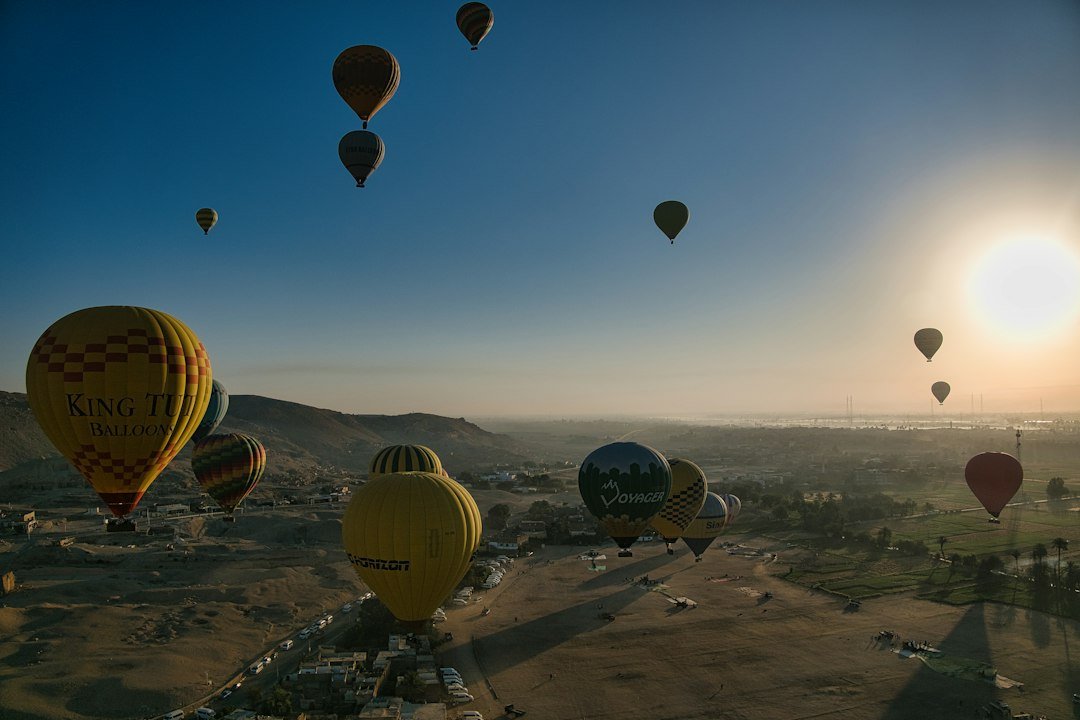
  • Balloon rides: flights depend on wind and weather and can be cancelled at short notice, so keep some flexibility in your schedule. Read our hot air balloon tips.
  • Crowds: the Valley of the Kings is busiest from mid-morning. Early starts help in every season. See our Valley of the Kings guide.

What to Pack

  • Light, breathable clothing that covers shoulders and knees for temples and tombs.
  • A hat, sunglasses and sunscreen all year round.
  • A warm layer for winter mornings and evenings.
  • Comfortable walking shoes.

So, When Should You Go?

For comfortable sightseeing, choose November to February. For fewer crowds and lower prices, consider October, March or the hot summer months with an early-morning routine. Whatever season you pick, King Tut Hotel is a peaceful place to rest between outings.

Frequently Asked Questions

What is the hottest month in Luxor?

Summer, especially June to August, is the hottest period, with very high daytime temperatures.

Is Luxor worth visiting in summer?

Yes, if you plan around the heat. Go early, rest in the afternoon and enjoy the evenings. You will also find fewer crowds at major sites.

How many days should I spend in Luxor?

Most travelers find two to four days is a good balance. See our Luxor itinerary guide.

Ready to choose your dates? Check availability and book directly with us.
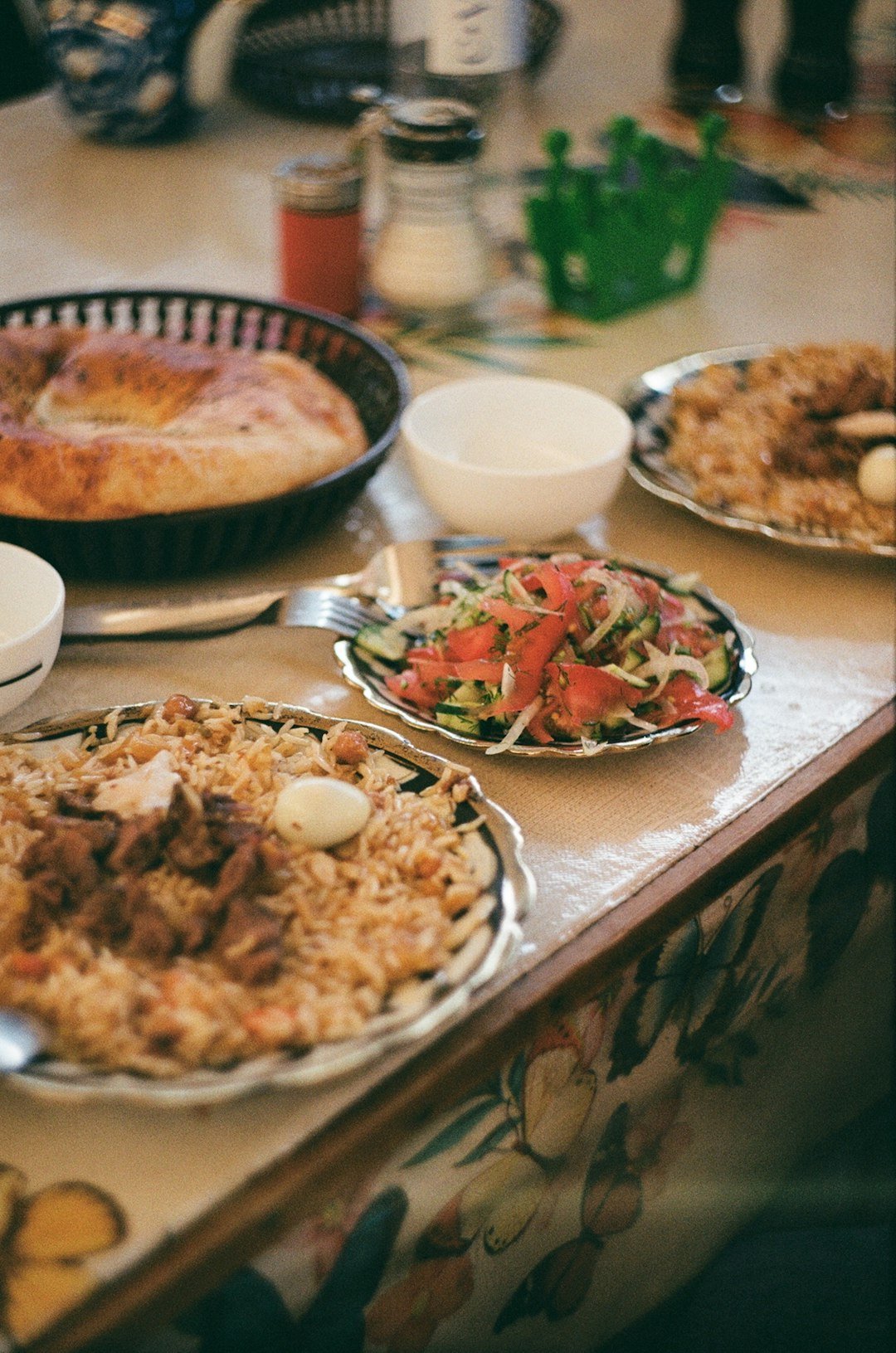
Egyptian Food to Try in Luxor

Egyptian food is warm, hearty and full of flavor, and Luxor is a great place to taste it. Many dishes are naturally vegetarian, and most are made to be shared. Here are the dishes, drinks and sweets that are worth looking for during your stay.

Everyday Favorites

Koshari

Often called Egypt’s national dish, koshari is a comforting mix of rice, lentils, pasta and chickpeas topped with a tangy tomato sauce and crispy fried onions. It is filling, inexpensive and vegetarian.

Ful Medames

A slow-cooked fava bean dish, typically eaten for breakfast with bread, olive oil, lemon and spices. It is a classic way to start the day before heading out sightseeing.

Ta’ameya

Egypt’s take on falafel is made with fava beans instead of chickpeas, giving it a bright green center. Try it in fresh bread with salad and tahini.

Molokhia

A green soup made from finely chopped jute leaves, usually served with rice and chicken or rabbit. It has a silky texture and a rich garlic flavor that surprises many first-time visitors.

Hearty Main Dishes

  • Grilled meats: kofta (spiced minced meat) and kebab are popular and usually served with bread, salad and dips.
  • Hamam mahshi: stuffed pigeon, a specialty widely enjoyed in Upper Egypt and worth trying if you are adventurous.
  • Fattah: a festive dish of rice, bread and meat with garlic and tomato sauce.
  • Stuffed vegetables: vine leaves, peppers and courgettes filled with herbed rice.

Bread and Dips

Look for aish baladi, the traditional Egyptian flatbread, served warm alongside dips such as baba ghanoush, tahini and hummus. It is a simple and satisfying way to share a meal.

Desserts

  • Om Ali: a warm, creamy pudding made with pastry, milk, nuts and raisins.
  • Basbousa: a sweet semolina cake soaked in syrup.
  • Baklava and other pastries: flaky, honey-sweet treats to enjoy with tea.

Drinks to Try

  • Karkade: a deep red hibiscus tea, served hot or cold.
  • Fresh sugarcane juice: sweet and refreshing on a hot day.
  • Mint tea: a simple and popular choice at any time of day.
  • Egyptian coffee: strong and served in small cups, often with the grounds in the bottom.

Tips for Eating Well

  • Choose busy places where food is cooked fresh and turns over quickly.
  • Drink bottled or filtered water, and be cautious with ice if you have a sensitive stomach.
  • Ease in gradually, especially with spicy or rich dishes.
  • Ask staff for recommendations. Locals are proud of their food and happy to help.
  • If you have allergies or dietary needs, mention them clearly when you order. Our Luxor travel tips include more practical advice for visitors.

Fitting Meals into Your Sightseeing

A good rhythm in Luxor is an early start, a light breakfast, a rest during the hot midday hours and a longer dinner in the evening. Our Luxor itinerary guide shows how to plan your days around meals.

Frequently Asked Questions

Is Egyptian food good for vegetarians?

Yes. Koshari, ful medames, ta’ameya, dips and many vegetable dishes are vegetarian, so you will have plenty of choice.

Is Egyptian food spicy?

Generally it is flavorful rather than very hot. Spices like cumin, coriander and garlic are common, while chili is usually served on the side.

Dine With Us

After a day of exploring, relax at our restaurant and lounge. You can also see our rooms or check availability for your stay.

Luxor Travel Tips: Money, Dress Code, Tipping and Safety

Luxor is welcoming and easy to enjoy, but a few practical tips will make your first visit smoother. Here is what most travelers want to know before they arrive.

Money and Payments

  • Currency: the Egyptian pound (EGP) is used for everyday purchases.
  • Cash is useful. Cards are accepted in many hotels and larger restaurants, but cash is still common for taxis, small shops, snacks and tips.
  • Carry small notes. Change can be hard to find, so keep a supply of small bills.
  • Use ATMs in safe places, such as banks or hotels, and tell your bank you are traveling.

Tipping (Baksheesh)

Tipping is part of daily life in Egypt, and small tips are appreciated for many services, including guides, drivers, restaurant staff, and hotel porters. Amounts are flexible and depend on the service and your budget. Keep small notes handy so you are not caught without change.

What to Wear

  • Choose light, breathable clothing that covers shoulders and knees, especially for temples, mosques and local neighborhoods.
  • Bring a hat, sunglasses and sunscreen all year round.
  • Wear comfortable, closed walking shoes for uneven ground.
  • Pack a light layer for cool mornings, evenings and air conditioning.

Getting Around Safely and Sensibly

  • Agree taxi fares first. Most taxis do not use meters, so settle the price before you set off.
  • Ask your hotel. Our concierge team can help you understand typical prices and arrange reliable transport.
  • Use official ticket offices at archaeological sites rather than buying from strangers.
  • Be polite but firm with persistent sellers. A friendly no thank you is enough.
  • Follow your government’s travel advice and keep copies of your important documents.

Staying Healthy

  • Drink bottled or filtered water and carry it with you.
  • Protect yourself from the sun, and rest during the hottest hours. See our best time to visit Luxor guide.
  • Wash your hands often and choose busy, freshly cooked food. Our Egyptian food guide has ideas.
  • Consider travel insurance and speak to a doctor before you travel if you have health concerns.

Visiting Respectfully

  • Ask permission before photographing people.
  • Follow the rules at each site, including photography restrictions.
  • Dress modestly and speak politely, especially around religious sites.
  • Be patient. The pace of life is relaxed, and a little flexibility goes a long way.

Planning Your Time

  • Start early to enjoy cooler weather and smaller crowds.
  • Confirm opening hours and ticket prices before you go, as they change from time to time.
  • Do not overpack your days. Our Luxor itinerary guide shows a comfortable pace.

Before You Travel

  • Check current entry and visa requirements with official sources for your nationality.
  • Make sure your passport is valid for the length of your stay.
  • Tell your hotel your arrival time. See how to get to Luxor from Cairo for transport options.

Frequently Asked Questions

Is Luxor good for first-time visitors to Egypt?

Yes. Luxor is compact, full of history and easier to navigate than a big city, which many first-time visitors appreciate.

Do I need to bring cash?

Yes, bring some. Cards work in many hotels and restaurants, but small purchases and tips are usually in cash.

Stay With a Friendly Team

At King Tut Hotel our team is happy to answer questions and help you plan. Contact us, see our rooms or check availability.

Luxor Itinerary: How Many Days Do You Really Need?

Luxor is often called the world’s greatest open-air museum, and it is easy to underestimate how much there is to see. The good news is that you do not need a week. With a sensible plan, two to four days lets you cover the highlights without exhausting yourself.

How Many Days Should You Stay?

  • 2 days: enough for the essentials, the East Bank temples and the West Bank tombs, if you start early.
  • 3 days: the sweet spot for most travelers, with time for the Nile and a slower pace.
  • 4 days: ideal if you want optional extras such as a balloon ride, a day trip or simply more rest between sights.

Day 1: The East Bank

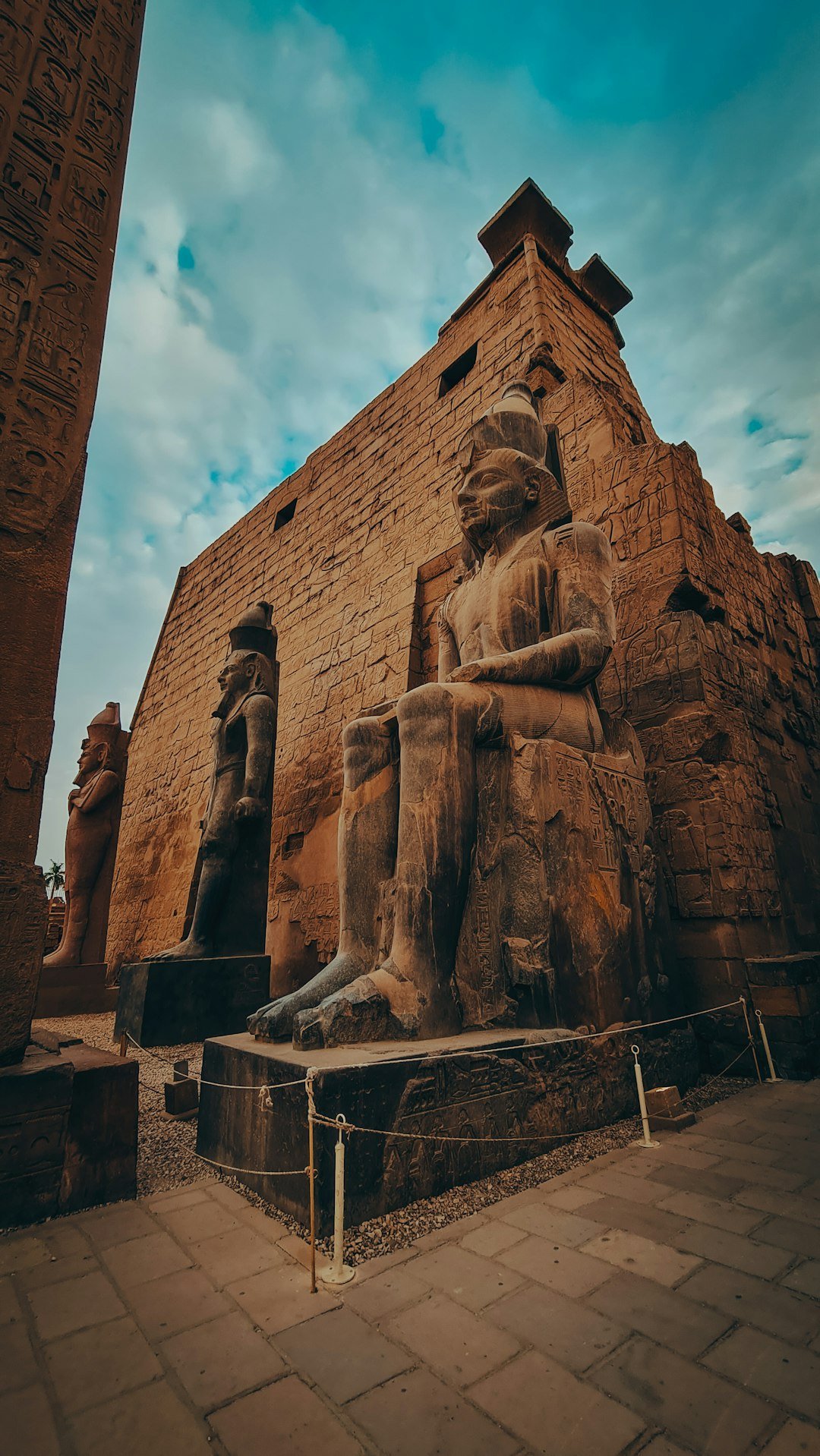
Start with Karnak Temple, a vast complex of temples, pylons and giant columns. Go early, when it is quieter and cooler. After lunch and a rest, visit Luxor Temple in the late afternoon. It is especially atmospheric at dusk when the stone is lit. Finish with a stroll along the Nile corniche or through the local market. Our guide to Karnak and Luxor Temples has more detail.

Day 2: The West Bank

Cross the Nile and head to the Valley of the Kings as it opens. Then visit the terraced Temple of Hatshepsut and see the Colossi of Memnon, two huge seated statues on the plain. If you have energy left, add another West Bank site such as Medinet Habu. Our West Bank day trip guide and Valley of the Kings guide will help you plan.

Day 3: The Nile and Some Slow Time

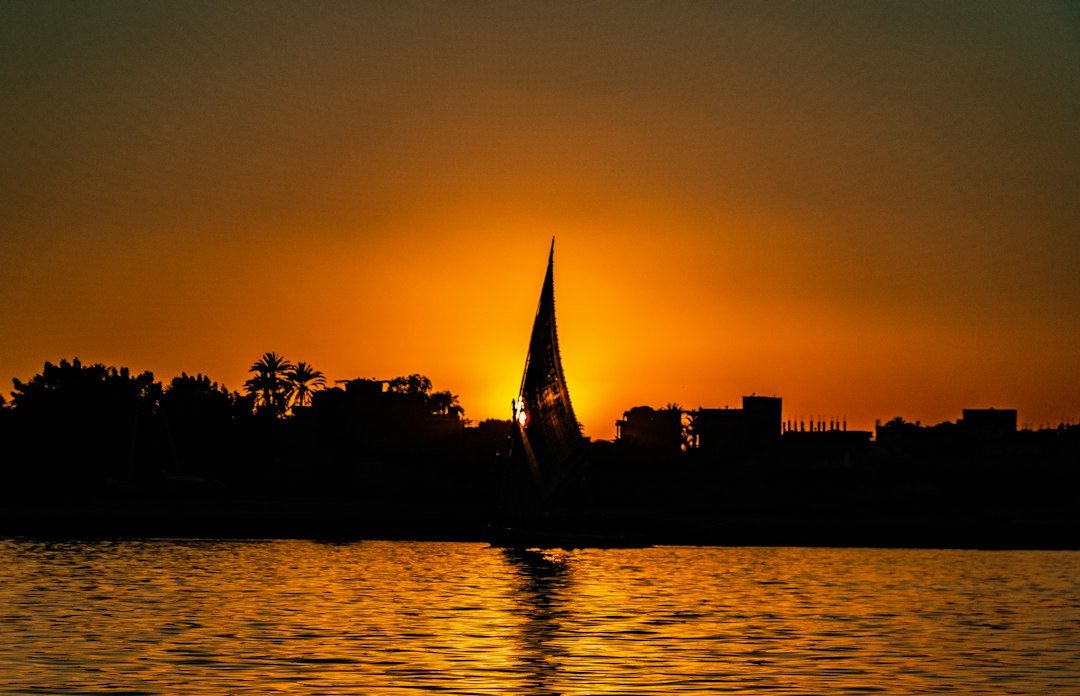
Give yourself a lighter day. Consider a sunrise hot air balloon ride over the West Bank, then rest in the afternoon. Late in the day, take a felucca ride on the Nile as the sun goes down, followed by dinner.

Day 4 (Optional): A Day Trip or a Museum Day

With an extra day, you can visit more of Luxor’s smaller sites and museums, or make a half-day excursion to Dendera Temple north of the city. Otherwise, use the time to relax, shop for souvenirs or simply enjoy the hotel.

Tips for Planning Your Days

  • Do the outdoor sites in the morning and rest in the middle of the day.
  • Avoid packing two big sites into the hottest hours. Read our best time to visit Luxor guide.
  • Confirm opening hours and ticket prices before you go, as they can change.
  • Ask our concierge team for help with transport across the river.

Frequently Asked Questions

Can you see Luxor in one day?

You can see the highlights, but it will be a very long day. Two days is far more comfortable, and three is better still.

Should I stay on the East Bank or the West Bank?

Both work well. The East Bank has the main temples, the market and most restaurants. See our comparison of where to stay in Luxor.

Base Yourself at King Tut Hotel

Staying on the East Bank puts you close to Luxor Temple and gives you a comfortable base for both sides of the river. See our rooms and check availability for your dates.

Nile Felucca Ride in Luxor: What to Expect

A felucca is a traditional wooden sailing boat with a tall triangular sail, and it has carried people along the Nile for thousands of years. Gliding past palm trees and farmland as the sun sinks is one of the simplest and most memorable things to do in Luxor.

What Is a Felucca Ride Like?

Feluccas are slow, quiet and relaxed. There is no engine noise, only the sound of the water and the breeze in the sail. Most boats have cushions and shade, and the captain steers while you sit back, chat or take photographs. It is a gentle activity that suits couples, families and anyone who wants a break from temple-hopping.

When to Go

  • Sunset: the most popular time, when the sky turns orange and the light softens on the river banks.
  • Early morning: calm water, cooler air and fewer boats.
  • Midday: possible, but hot, especially in summer. See our best time to visit Luxor guide.

Popular Trips

  • A short sunset sail: about an hour on the water near the East Bank.
  • A crossing to the West Bank: a simple and scenic alternative to a road transfer.
  • A longer trip to a Nile island: a relaxed half-day outing with time to stop and explore.

How to Book and Agree the Price

Felucca captains usually charge per boat, not per person, and prices depend on the length of the trip. To avoid misunderstandings:

  • Agree the price, duration and destination before you board.
  • Confirm how many people the price covers.
  • Pay at the end of the trip, not before.
  • Ask for life jackets if you would feel more comfortable wearing one.

At King Tut Hotel, classic wooden feluccas are available for scenic Nile crossings from our private dock. Ask our concierge team to help you arrange a trip.

What to Bring

  • Sunscreen, sunglasses and a hat.
  • Water and a light snack.
  • A light layer for the evening breeze.
  • A camera or phone, kept secure.
  • Small cash for tips.

Making It Part of Your Itinerary

A felucca ride works best as a restful end to a busy day. After a morning at the temples, take a sunset sail and finish with dinner. Our Luxor itinerary guide shows how to fit it in.

Frequently Asked Questions

How long does a felucca ride last?

A short sail takes about an hour. Longer trips to islands or across the river can take a few hours.

Is a felucca ride safe?

Feluccas are a traditional and popular way to travel on the Nile. Choose a captain with a well-kept boat, agree the details in advance and ask for life jackets if you want them.

Can I take a felucca to the West Bank?

Yes, crossings by felucca are possible and are a scenic way to reach the other side of the river.

Stay Beside the Nile

King Tut Hotel is on the East Bank of the Nile in Luxor. See our location, then check availability for your stay.

Where to Stay in Luxor: East Bank vs West Bank

The Nile divides Luxor into two very different halves, and choosing which side to sleep on shapes your trip. Both are wonderful, and it is easy to cross between them, but each has its own character. Here is how to decide.

The East Bank: The City Side

The East Bank is the lively side of Luxor, where the modern city stands on the site of ancient Thebes. This is where you will find Luxor Temple, Karnak Temple, the market, the Nile corniche, restaurants and cafes.

Why stay on the East Bank

  • Close to the big temples: Luxor Temple and Karnak are on this side of the river, and Luxor Temple is especially close to the center.
  • Easy evenings: restaurants, cafes and shops are within reach, so you can stroll after dinner.
  • Simple arrivals: the railway station and the airport are on this side, which makes arriving and leaving easy.
  • More choice: a wider range of places to eat, shop and book trips.

Things to consider

  • It is busier and noisier than the West Bank.
  • You need to cross the Nile for the Valley of the Kings and other West Bank sites.

The West Bank: The Quiet Side

The West Bank is more rural, with green farmland, small villages and desert cliffs. It is home to the Valley of the Kings, the Temple of Hatshepsut and other major sites.

Why stay on the West Bank

  • Peace and quiet: a slower, more village-like atmosphere.
  • Closer to the tombs: handy if you want to start early at the Valley of the Kings.

Things to consider

  • Fewer restaurants and shops nearby.
  • You need to cross the river for Karnak, Luxor Temple and the city center.

So Which Should You Choose?

  • Choose the East Bank if you want convenience, evening walks, a wider choice of restaurants and easy access to transport.
  • Choose the West Bank if you want a quiet retreat and plan to spend most of your time at the tombs and temples on that side.

Most first-time visitors find the East Bank the more practical base, because everything else is easy to reach from there. See our Luxor itinerary guide and West Bank day trip guide to see how a stay on this side works in practice.

Where We Are

King Tut Hotel is on the East Bank of the Nile in Luxor, close to Luxor Temple, with Luxor International Airport about 20 minutes away and the railway station about 10 minutes away. Find our address and directions on our location page.

Tips for Choosing a Hotel in Luxor

  • Check exactly where the hotel is, not only which side of the river it is on.
  • Look at whether it offers airport and station transfers.
  • Read recent guest reviews for cleanliness and service.
  • Book directly with the hotel where possible, for the clearest information and simple booking.

Frequently Asked Questions

Is it easy to cross between the two banks?

Yes. You can cross by road, and boats are also available. It usually takes only a short time.

Is the East Bank better for first-time visitors?

For most people, yes. It offers the most convenience, and the main sights on both sides are easy to reach from there.

Book Your Stay

Explore our rooms or check availability and book directly on our website.

Karnak and Luxor Temples: What to See on the East Bank

Luxor’s East Bank is where the living city of ancient Thebes once stood, and it is home to two of Egypt’s most impressive temples. Karnak and Luxor Temple are close together and easy to combine, but they feel very different. Here is what to look for at each.

Karnak Temple: A City of Stone

Karnak is not a single temple but a vast complex of temples, chapels, pylons and courtyards, built and expanded over many centuries and dedicated largely to the god Amun. It is one of the largest religious sites ever built, so give it time.

Highlights not to miss

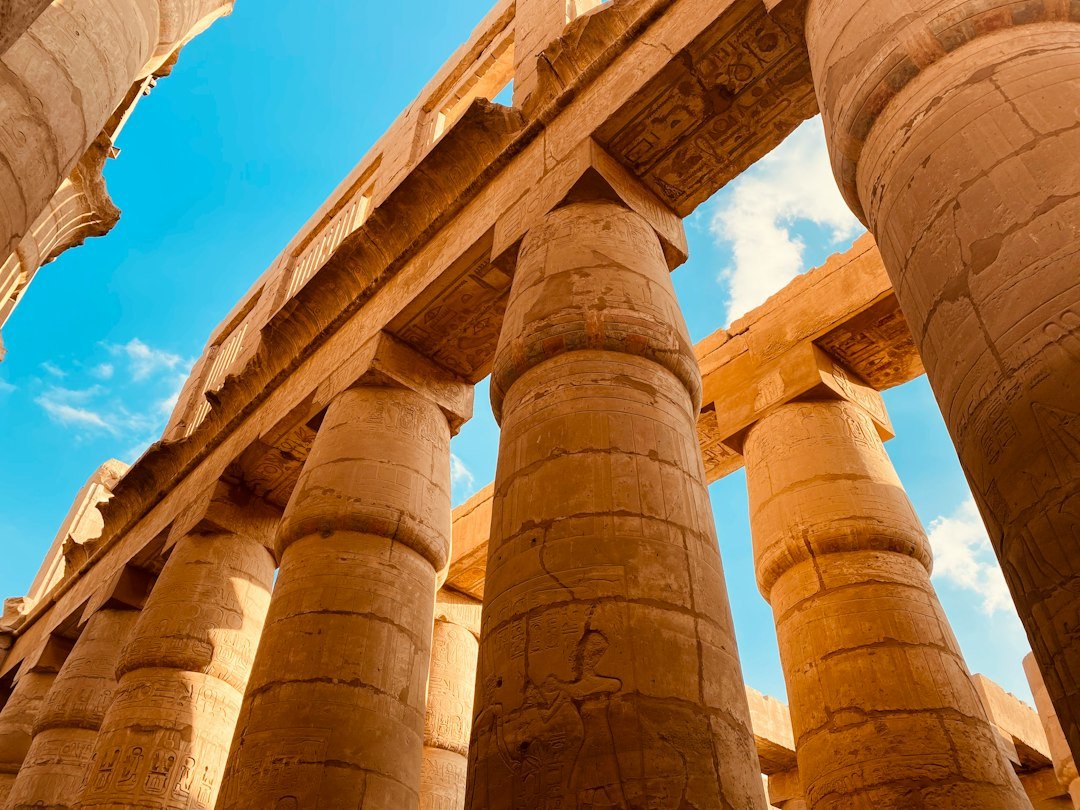
  • The Great Hypostyle Hall: a forest of 134 enormous columns covered in carvings. Stand in the middle and look up.
  • The obelisks: tall granite needles raised by pharaohs including Hatshepsut and Thutmose I.
  • The Sacred Lake: where priests carried out purification rituals.
  • The Avenue of Sphinxes: a long processional way that once linked Karnak to Luxor Temple.

Visiting tips

  • Karnak opens early, around 6:00 am. Arriving at opening means cooler air, softer light and fewer tour groups.
  • Allow at least two to three hours.
  • In the evening, the complex hosts a sound and light show. Check current times and ticket details in advance.

Luxor Temple: Beautiful at Dusk

Luxor Temple sits right in the middle of the modern city beside the Nile, and it is smaller and easier to explore than Karnak. It was built mainly by Amenhotep III and Ramesses II, and later rulers added their own touches.

Highlights not to miss

  • The Colonnade of Amenhotep III: rows of tall columns that lead into the heart of the temple.
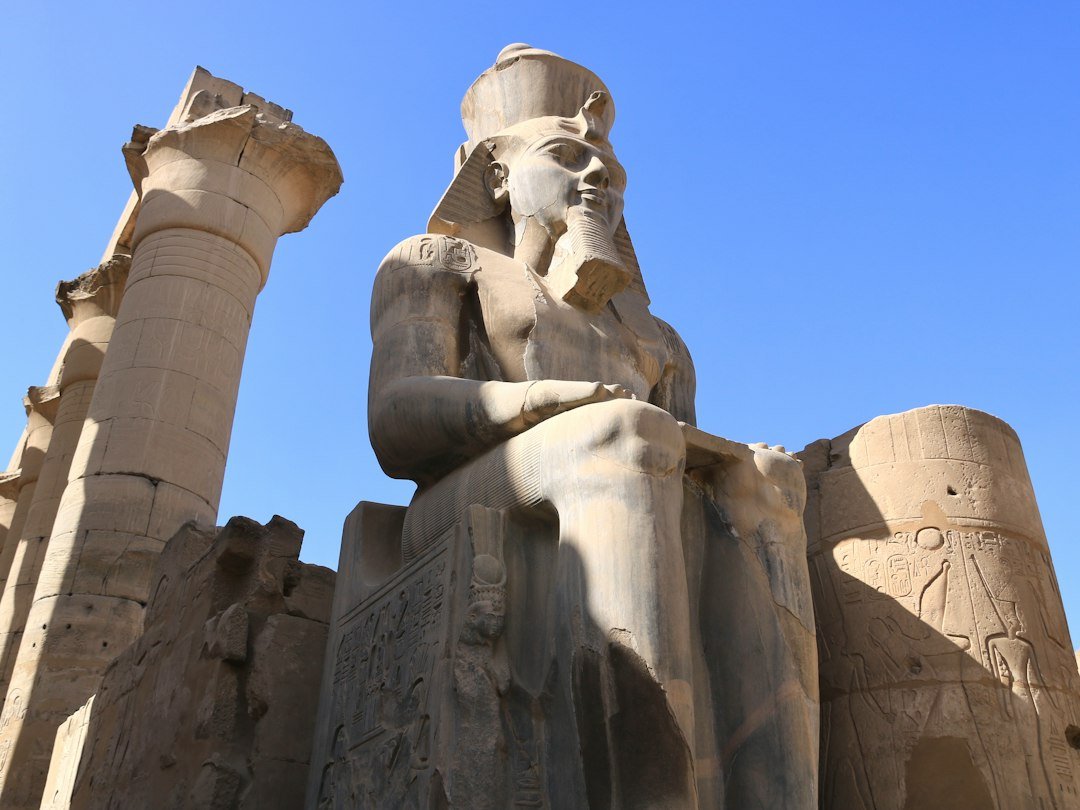
  • The Courtyard of Ramesses II: statues, an obelisk and a monumental entrance.
  • The evening lighting: the temple is especially atmospheric after sunset when the stone glows.

Luxor Temple stays open later than many sites, which makes it a natural choice for the end of the day. Confirm the current opening hours when you plan your visit.

How to Combine Both Temples

  1. Morning: Karnak Temple, arriving as it opens.
  2. Midday: lunch and a rest away from the sun.
  3. Late afternoon and evening: Luxor Temple, then dinner nearby.

This rhythm avoids the worst of the heat. If you are still deciding how many days to stay, read our Luxor itinerary guide.

Tickets and Practical Tips

  • Entrance fees change from time to time, so check current prices on the official Egyptian monuments website or at the ticket office.
  • Wear modest clothing, comfortable shoes, a hat and sunscreen.
  • Bring water and some cash.
  • A guide can bring the carvings and history to life, especially at Karnak.

Frequently Asked Questions

Which is better, Karnak or Luxor Temple?

They are different experiences. Karnak is grand in scale and history, while Luxor Temple is compact and beautifully lit at night. Most travelers visit both.

How long does it take to visit Karnak?

Plan two to three hours to see the main highlights comfortably.

Is Luxor Temple close to the hotel?

King Tut Hotel is on the East Bank of the Nile, close to Luxor Temple. See our location page for the map and directions.

Stay Close to the Temples

After a day among the columns, return to comfortable rooms and a restaurant and bar. Explore our rooms or check availability now.

Solo, Couple or Family? Choosing the Right Room for Your Luxor Trip

The right room makes a big difference on a sightseeing trip. After early starts at the temples and long days in the sun, you want a comfortable place to rest. At King Tut Hotel in Luxor we offer seven room types, so here is a simple guide to choosing the one that suits your trip.

Traveling Solo

Luxor is a great destination for solo travelers, and having your own comfortable space to recharge helps a lot.

  • Standard Single Room is a comfortable, no-fuss room for solo travelers exploring Luxor. It is a good choice if you plan to spend most of your time out sightseeing.
  • Superior Single Room gives the solo traveler extra comfort and space, ideal if you like to unwind properly after a busy day.

Traveling as a Couple or With a Friend

  • Standard Double Room offers comfortable double accommodation for couples and friends.
  • Superior Double Room adds upgraded comfort and extra space for couples and friends who want a little more room to relax.

Traveling With Family or a Small Group

For a Special Occasion

The Royal Suite is the hotel’s most spacious and comfortable suite. It is a lovely choice for a honeymoon, anniversary or any trip where you want to treat yourself.

Standard or Superior? How to Decide

  • Choose Standard if you will spend most of your day out exploring and want a comfortable place to sleep at a good value.
  • Choose Superior if you want extra comfort and space, or plan longer stays with more time relaxing at the hotel.

Tips for Booking the Right Room

  • Count everyone in your group and choose a room that fits comfortably.
  • Think about your itinerary. If you are staying several nights with early starts, extra comfort can be worth it. See our Luxor itinerary guide to plan your length of stay.
  • Book early in the busy winter season. Our best time to visit Luxor guide explains when demand is highest.
  • Ask us about special requests, such as bed preferences or arrival times, before you travel.

Why Book Directly With Us

Booking on our website means simple steps, clear information and no middlemen. You can check availability, choose your room and confirm your stay in a few minutes.

Frequently Asked Questions

Which room is best for a family of three?

The Standard Triple Room or the Superior Triple Room, depending on how much extra space you would like.

Can I book a room for a friend and me?

Yes. Our Standard Double and Superior Double rooms are designed for couples and friends.

How do I ask about a specific request?

Send us a message through our contact page and we will be happy to help.

Ready to Choose Your Room?

Browse all our rooms or go straight to check availability for your dates.

Hot Air Balloon Over Luxor: Tips for a Perfect Sunrise

Few travel moments compare with drifting silently above Luxor at sunrise, with the Nile, green farmland and desert cliffs spread out below and the temples of the West Bank glowing in the first light. A hot air balloon ride is one of the most popular things to do here, and a little preparation makes it even better.

What to Expect

Rides take place at dawn, when the air is calm. You will be collected from your hotel before sunrise, usually in the dark, and taken to the launch site on the West Bank. The balloons inflate as the sky lightens, and you lift off gently in time to watch the sun come up. Flights typically last around 45 minutes, depending on conditions and the operator, followed by a smooth landing and, often, a small celebration on the ground.

How to Book

  • Book ahead in the busy season. Winter mornings are popular and spaces fill quickly.
  • Compare operators carefully. Look for licensed companies with a clear safety record, recent independent reviews and experienced pilots.
  • Check what is included. Ask about hotel pick-up, the length of the flight and any refreshments.
  • Read the cancellation policy. Flights depend on the weather, so understand what happens if yours is cancelled.

Our concierge team can help you think through your options and timing when you stay with us.

Weather and Cancellations

Balloon flights depend on wind and visibility. If conditions are not safe, your flight can be postponed or cancelled at short notice, even after you have been collected. Build a little flexibility into your itinerary by not scheduling the balloon on your last morning. Our best time to visit Luxor guide explains what to expect in each season.

What to Wear and Bring

  • Layers: it can feel cool before sunrise, especially in winter.
  • Closed, comfortable shoes: you will be walking on uneven ground at the launch and landing sites.
  • Sunglasses and a hat: the sun rises quickly.
  • A camera or phone with a strap: keep it secure while you shoot.

Tips for the Best Photos

  • Face the sunrise side of the balloon early on, when the sky is coloring.
  • Look for the contrast between the green Nile valley and the desert.
  • Photograph the balloons around you, as well as the landscape.
  • Put the camera down for a few minutes and simply enjoy it.

Is It Safe?

Balloon rides are generally considered a safe activity when run by well-managed operators who follow safety procedures and only fly in suitable weather. Always choose a reputable company, follow the pilot’s instructions during landing and speak up if you have any medical concerns. If you have questions about your health or fitness, ask your doctor before you book.

Plan Your Day Around the Flight

Because you start so early, plan a slow morning afterward. Return for breakfast, rest, and save sightseeing for later in the day. Our Luxor itinerary guide shows how to balance early mornings with restful afternoons.

Frequently Asked Questions

How early do I need to wake up?

Expect a pick-up well before sunrise. The exact time depends on the season and your operator.

Can children go on a balloon ride?

Rules on minimum age and height vary by operator, so ask when you book.

Is the ride scary?

Most people find it calm and peaceful. The balloon moves with the wind, so you feel very little motion.

Stay With Us

A comfortable bed helps after an early start. View our rooms and check availability for your dates.

West Bank Day Trip: Hatshepsut, Colossi of Memnon and More

Across the Nile from Luxor’s East Bank lies the West Bank, where ancient Thebes buried its kings, queens and nobles. It is quiet, dramatic and full of world-class sites, and it makes a superb full-day excursion. Here is a simple plan for your day.

Suggested West Bank Route

  1. Valley of the Kings as it opens, to beat the heat and crowds.
  2. Temple of Hatshepsut at Deir el-Bahari.
  3. Medinet Habu or another temple, depending on your energy.
  4. Colossi of Memnon as a final photo stop on your way back.

Valley of the Kings

The royal tombs are the highlight of most West Bank days. Your standard ticket covers three tombs, and a few famous ones cost extra. We explain how it all works in our Valley of the Kings guide.

Temple of Hatshepsut

The mortuary temple of Queen Hatshepsut is one of the most striking buildings in Egypt. Its long, elegant terraces rise against a wall of golden cliffs, and the setting alone is worth the trip. Hatshepsut was one of the few women to rule Egypt as pharaoh, and the temple’s reliefs tell the story of her reign, including a famous trading expedition to the land of Punt.

Colossi of Memnon

Two enormous seated statues of Amenhotep III stand alone on the plain, guarding the site where his vast temple once stood. There is no ticket queue and it takes only a few minutes, so it is an easy stop on the way in or out of the West Bank. Sunrise and late afternoon give the best light for photographs.

Medinet Habu

The mortuary temple of Ramesses III is one of the best-preserved temples in Luxor, with colorful reliefs and a huge gateway. It is usually less crowded than the big-name sites, which makes it a peaceful addition to your day.

Other Sites to Consider

  • The Ramesseum: the mortuary temple of Ramesses II.
  • Deir el-Medina: the village of the artisans who built and decorated the royal tombs.
  • Valley of the Queens: the burial place of royal wives and children.

Getting Around the West Bank

  • Private driver or guided tour: the easiest option, since the sites are spread out. Our concierge team can help you arrange transport.
  • Crossing the Nile: you can go by road or by boat. Agree the price before you set off.
  • Timing: leave early and plan to be back by early afternoon in the hotter months.

Tips for a Comfortable Day

  • Wear sturdy shoes and modest, breathable clothing.
  • Carry water, sunscreen, a hat and small bills for tips.
  • Check ticket prices and hours in advance, as they can change.
  • Keep your afternoon free for rest. See our Luxor itinerary guide for how to balance both banks.

Frequently Asked Questions

How long does a West Bank day trip take?

Most visitors spend five to seven hours, depending on how many sites they include.

Can I combine the West Bank and East Bank in one day?

You can, but it is tiring. Most travelers dedicate one day to each bank.

Rest After the Trip

After a day of tombs and temples, unwind at King Tut Hotel on the East Bank. Browse our rooms or check availability.